Sodium Ion Migration: Osmotic Pressure Model of Salted Meat Curing

Jul 17, 2025 By

The science behind meat curing has fascinated food chemists for centuries, with sodium ion migration playing a starring role in this ancient preservation method. When we examine the osmotic pressure model that governs how salt penetrates muscle tissue, we uncover a remarkable interplay between physics, chemistry, and culinary tradition that transforms raw meat into savory, shelf-stable charcuterie.

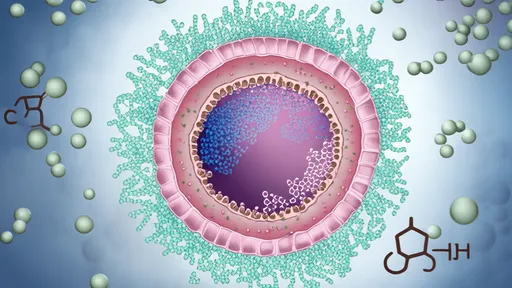
The cellular dance of sodium and water begins the moment salt meets meat. As sodium chloride crystals dissolve in the meat's surface moisture, they dissociate into positively charged sodium ions and negatively charged chloride ions. These charged particles create what physicists call an ionic concentration gradient - essentially an invisible slope down which the ions want to slide. The steeper this gradient (meaning the greater difference between surface salt concentration and interior salt concentration), the more forcefully the ions will migrate inward.

What makes this process particularly fascinating is how it defies simple diffusion. Unlike neutral molecules that spread randomly from high to low concentration, charged ions like Na+ engage in a more complex migration pattern. They must maintain electrical neutrality as they move, meaning chloride ions follow sodium ions in what becomes a coordinated cellular invasion. This paired movement creates the foundation for the osmotic pressure differential that drives moisture exchange.

Osmotic pressure emerges as the true architect of cured meat's transformed texture. When the salt solution outside muscle cells becomes more concentrated than the fluid inside, nature seeks balance. Water molecules inside the cells feel the pull of this concentration difference and begin exiting through semi-permeable cell membranes. This outward flow continues until either the concentrations equalize or the increasing internal protein concentration creates enough counter-pressure to stop the process.

The brilliance of traditional curing methods lies in their empirical understanding of this equilibrium. Old-world charcutiers may not have known about ion gradients, but they perfected salt concentrations that remove just enough water to preserve without desiccating. Modern research shows their 3-5% salinity targets create osmotic pressures of about 25-30 atmospheres - sufficient to inhibit most bacterial growth while maintaining palatability.

Muscle structure dictates migration pathways in ways that explain why different cuts cure at varying rates. The parallel bundles of muscle fibers create natural channels for ion movement along their length, while the perpendicular connective tissue sheets act as partial barriers. Electron microscopy studies reveal sodium ions moving about three times faster along the grain than across it, a fact that informs how butchers traditionally cut meat for curing.

This directional migration becomes particularly important in whole-muscle cures like prosciutto or country ham. The salt must travel centimeters rather than millimeters, requiring months of patient waiting. During this extended cure, the sodium ions gradually displace potassium ions in muscle cells through ion exchange mechanisms - a subtle biochemical shift that contributes to cured meat's distinct flavor profile different from simply salted meat.

The temperature paradox presents an interesting twist in the osmotic narrative. While heat accelerates most chemical processes, meat curing operates best just above freezing. This counterintuitive preference stems from two competing factors: ion mobility increases with temperature, but protein structures that facilitate migration begin breaking down. The sweet spot around 4°C (39°F) maintains membrane integrity while allowing sufficient sodium ion movement.

Modern curing facilities use precisely controlled refrigeration to optimize this balance, but traditional cellar curing achieved similar results through seasonal timing. Winter curing wasn't just practical for preservation - it unknowingly provided the ideal temperature range for controlled ion migration. The slow, steady penetration allowed full muscle saturation without surface over-concentration.

Concentration gradients tell only half the story of this complex biochemical ballet. As sodium ions displace calcium ions bound to muscle proteins, they cause subtle structural changes that affect water-holding capacity. This ion exchange explains the firm yet moist texture of properly cured meat - the proteins rearrange just enough to retain some moisture while expelling excess liquid. The process resembles a carefully choreographed molecular dance where each ion knows its place.

Advanced imaging techniques have revealed how sodium ions preferentially bind to specific sites on myofibrillar proteins. These binding events cause the proteins to partially unfold, creating a gel-like network that traps water molecules in microscopic pockets. This explains why well-cured ham stays succulent despite significant moisture loss - the remaining water becomes molecularly "organized" in ways that resist evaporation and microbial access.

The sugar factor in many curing recipes isn't just about flavor balance. Sugars like dextrose or sucrose modify the osmotic pressure equation by contributing their own solute particles. While they don't dissociate into ions like salt, their presence affects water activity - a critical measure of available moisture for microbial growth. The combination of ionic and non-ionic solutes creates a more complex osmotic environment that some researchers compare to biological fluids.

This dual-solute system helps explain why certain traditional cures use honey or fruit juices. Beyond their flavor contributions, these natural sweeteners provide a spectrum of sugar molecules that interact with the sodium chloride to create unique osmotic profiles. Artisanal producers often speak of "balanced cures" - an empirical understanding of how different solutes work in concert to achieve optimal preservation and texture.

Modern computational models now allow us to simulate the curing process with remarkable accuracy. Food engineers use finite element analysis to predict salt penetration rates based on muscle structure, fat content, and curing conditions. These models confirm what experienced curers have long known empirically - that uniform salt distribution requires time more than concentration. A moderate brine given weeks outperforms a heavy salt rub given days.

The latest research explores how pulsed electric fields or ultrasound might accelerate ion migration without compromising quality. Early results suggest these technologies can enhance salt penetration by temporarily increasing membrane permeability, potentially reducing curing times for certain products. However, traditionalists argue that the slow dance of ions through muscle tissue contributes to flavor development that can't be rushed.

As we continue unraveling the complexities of sodium ion migration in meat curing, we gain not just scientific understanding but deeper appreciation for this ancient preservation method. The precise interplay of osmotic forces, ionic bonds, and cellular structures transforms simple ingredients into culinary treasures through what amounts to a months-long biochemical symphony. Each slice of well-cured charcuterie represents a triumph of physics and chemistry harnessed by human ingenuity.
Recommend Posts
Food

Amylose Content in Rice: The Core Indicator Determining Rice Stickiness

By /Jul 17, 2025

The texture of cooked rice, particularly its stickiness, is a defining characteristic that influences culinary preferences across cultures. While numerous factors contribute to rice quality, the amylose content of rice starch emerges as the single most critical determinant of this textural property. This invisible component within each grain holds the key to understanding why some rice varieties cling together while others remain separate and fluffy.
Food

Osmotic Equilibrium: Concentration Gradient of Candied Sugaring

By /Jul 17, 2025

The art of preserving fruits through sugaring has been practiced for centuries, a delicate dance between science and tradition. At its core lies the fascinating principle of osmotic equilibrium, where nature seeks balance even in the sweetest of preparations. This invisible force governs the transformation of fresh fruit into glistening candied delights, creating a symphony of flavors and textures that have graced royal tables and humble kitchens alike.
Food

Sodium Ion Migration: Osmotic Pressure Model of Salted Meat Curing

By /Jul 17, 2025

The science behind meat curing has fascinated food chemists for centuries, with sodium ion migration playing a starring role in this ancient preservation method. When we examine the osmotic pressure model that governs how salt penetrates muscle tissue, we uncover a remarkable interplay between physics, chemistry, and culinary tradition that transforms raw meat into savory, shelf-stable charcuterie.
Food

Milk Fat Globule Membrane Protein: The Key to Cream Separation by Centrifugation

By /Jul 17, 2025

The dairy industry has long relied on centrifugal separation as a fundamental process for isolating cream from raw milk. At the heart of this mechanical marvel lies an often-overlooked biological component: the milk fat globule membrane (MFGM). This intricate protein-lipid structure not only determines the efficiency of cream separation but also holds untapped potential for nutritional and industrial applications.
Food

Crystallization of Sugar Solution: Control of Saturation for Rock Sugar Formation

By /Jul 17, 2025

The art of rock sugar production is a delicate balance between science and tradition, where the precise control of saturation levels determines the quality, size, and clarity of the final crystals. Unlike ordinary sugar refining, rock sugar formation relies on a carefully orchestrated supersaturation process that encourages the growth of large, well-defined crystals over time. This centuries-old technique transforms simple syrup into translucent gems of sweetness through a patient dance of temperature, concentration, and time.
Food

Dough Extensibility: Carbon Dioxide Production During Proofing Time

By /Jul 17, 2025

The relationship between dough extensibility and carbon dioxide production during proofing is a critical yet often overlooked aspect of artisanal and industrial baking. While bakers traditionally focus on ingredients and mixing techniques, the silent alchemy of fermentation—where yeast metabolizes sugars into CO2—plays an equally decisive role in determining final product quality. This dynamic interplay between gas retention and gluten development reveals why some loaves achieve voluminous openness while others collapse into dense disappointment.
Food

Collagen Transformation: Gelatin Formation Temperature in Braised Beef Tendons

By /Jul 17, 2025

The transformation of collagen into gelatin during the slow cooking of beef tendons is a fascinating interplay of chemistry, temperature, and time. This process not only defines the texture of dishes like braised beef tendon but also unlocks nutritional benefits that make it a prized ingredient in both traditional and modern cuisine. Understanding the precise thermal breakdown of collagen reveals why certain cooking methods yield superior results.
Food

Molecular Basis of Glutenin Ratio for High-Gluten Flour Stretching

By /Jul 17, 2025

The molecular basis of dough extensibility in high-gluten flour is deeply rooted in the unique properties of wheat gluten proteins, particularly the ratio between gliadin and glutenin. These two protein fractions form a viscoelastic network when hydrated, creating the structural backbone that gives wheat dough its characteristic stretch and strength. While gliadins contribute primarily to viscosity and extensibility, glutenins are responsible for elasticity and dough strength. The interplay between these components determines the functional performance of flour in baking applications.
Food

Degree of Pectin Esterification: The Chemical Determinant of Jam Gel Strength

By /Jul 17, 2025

The world of food science constantly seeks to understand the intricate relationships between chemical composition and functional properties. Among these, the gelling behavior of pectin in jams and jellies stands as a fascinating case study. While numerous factors influence texture, the degree of esterification (DE) emerges as a pivotal chemical determinant of gel strength. This molecular characteristic doesn't merely affect consistency—it dictates the very architecture of the gel network, influencing everything from spreadability to mouthfeel.
Food

Nodule Bacteria Symbiosis: Field Observations of Soybean Nitrogen Fixation

By /Jul 17, 2025

The relationship between soybeans and rhizobia represents one of nature's most fascinating symbiotic partnerships. Across countless fields worldwide, this invisible collaboration quietly fuels agricultural productivity while reducing dependence on synthetic fertilizers. Farmers and scientists alike have long marveled at how these two organisms communicate through sophisticated biochemical signals to establish their nitrogen-fixing cooperation.
Food

Oil Absorption Rate: A Study on the Porosity of Fried Food Coating

By /Jul 17, 2025

Fried foods hold a universal appeal, with their golden-brown exteriors and satisfying crunch. Yet, beneath that irresistible texture lies a complex interplay of chemistry and physics—particularly in how batters absorb oil during frying. Recent research has shifted focus to batter porosity, a critical but often overlooked factor determining oil uptake. Understanding this relationship could revolutionize how we approach fried food production, balancing indulgence with health considerations.
Food

Thermal Quenching: The Key to Retaining Chlorophyll in Green Leafy Vegetables

By /Jul 17, 2025

The preservation of chlorophyll in leafy greens during thermal processing has long been a challenge for both food scientists and culinary professionals. While heat treatment is necessary to ensure food safety and extend shelf life, it often comes at the cost of vibrant green color – a visual marker of freshness that significantly influences consumer acceptance. Recent advances in understanding the time-temperature relationship during blanching have revealed surprising opportunities to maximize chlorophyll retention without compromising food safety standards.
Food

Cell Turgor Pressure: The Water Support Behind the Crisp and Tender Texture of Bamboo Shoots

By /Jul 17, 2025

The crisp, succulent texture of bamboo shoots has long delighted culinary enthusiasts across Asia, but few appreciate the intricate cellular mechanics behind this unique mouthfeel. At the heart of this phenomenon lies an often-overlooked botanical marvel: turgor pressure, the hydrostatic force that transforms rigid plant cells into nature's edible water balloons.
Food

Enzymatic Fermentation: Protease Activity in Fish Sauce Production

By /Jul 17, 2025

The pungent amber liquid that elevates Southeast Asian cuisine owes its existence to an ancient biochemical process. Fish sauce, that irreplaceable umami bomb, emerges from a fascinating interplay between microbial fermentation and enzymatic breakdown. At the heart of this transformation lies protease activity – the molecular scissors that dismantle fish proteins into flavor-packed peptides and amino acids.
Food

Muscle Fiber Bundle Density: The Anatomical Basis for the Tenderness Difference between Beef Shin and Tenderloin

By /Jul 17, 2025

The tenderness of beef cuts has long fascinated both culinary experts and meat scientists alike. Among all the factors influencing meat texture, the density of muscle fiber bundles stands out as a fundamental anatomical characteristic that creates dramatic differences between tough cuts like beef tendon and tender cuts like tenderloin. This structural variation explains why these two muscle groups behave so differently during cooking and mastication.
Food

Photosynthetic Product: Light and Temperature Model for Sugar Accumulation in Hami Melons

By /Jul 17, 2025

The intricate dance between sunlight and temperature plays a pivotal role in determining the sweetness of honeydew melons, a phenomenon that has long fascinated agricultural scientists. Recent breakthroughs in photosynthetic modeling have shed new light on how these environmental factors interact to influence sugar accumulation in the fruit's flesh. At the heart of this process lies a delicate biochemical balancing act where plants convert light energy into the sugars that give honeydew its characteristic flavor profile.
Food

Intramuscular Fat: The Principle of Fat Deposition in Snowflake Pork

By /Jul 17, 2025

The marbling phenomenon in pork, often referred to as "snowflake pork," has captivated both culinary experts and meat scientists alike. This intricate pattern of intramuscular fat deposition not only enhances flavor and tenderness but also represents a fascinating interplay of genetics, nutrition, and animal physiology. Understanding the science behind this fat deposition reveals why certain cuts command premium prices in global markets.
Food

Extraction Efficiency of Umami Compounds from Dried Shiitake Mushrooms

By /Jul 17, 2025

The culinary world has long revered dried shiitake mushrooms for their intense umami flavor, a characteristic largely attributed to their high concentration of flavor nucleotides. Recent research has shifted focus toward optimizing extraction methods to harness these compounds efficiently, revealing both challenges and breakthroughs in the process.
Food

Oil Seal Isolation: Antioxidant Protection Mechanism of Duck Gizzards

By /Jul 17, 2025

The intricate biological mechanisms that protect animal tissues from oxidative damage have long fascinated scientists. Among these, the peculiar case of duck gizzard preservation through oil-sealed isolation presents a remarkable example of natural antioxidant protection. This phenomenon, observed in traditional food preservation methods, reveals sophisticated biochemical adaptations that could inspire innovative approaches to food science and oxidative stress management.
Food

Acid Regulation: Changes in pH Value During Kimchi Fermentation

By /Jul 17, 2025

The art of fermenting vegetables into tangy, probiotic-rich pickles has been practiced for millennia across cultures, yet the delicate dance of microbial activity beneath the brine remains a subject of fascination for both home fermenters and food scientists. At the heart of this transformation lies a critical metric: pH. The logarithmic scale measuring acidity or alkalinity becomes the silent conductor orchestrating microbial succession, enzyme activity, and ultimately, the safety and flavor profile of fermented pickles.