The crisp, succulent texture of bamboo shoots has long delighted culinary enthusiasts across Asia, but few appreciate the intricate cellular mechanics behind this unique mouthfeel. At the heart of this phenomenon lies an often-overlooked botanical marvel: turgor pressure, the hydrostatic force that transforms rigid plant cells into nature's edible water balloons.
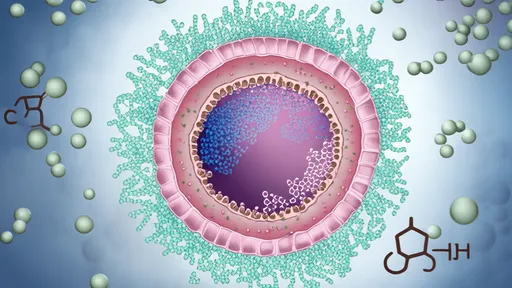
When bamboo shoots emerge from the forest floor, their cells exist in a state of hydraulic perfection. Each rectangular parenchyma cell operates like a microscopic pressure vessel, its walls stretched taut by water absorbed through osmosis. This cell turgidity creates structural rigidity without sacrificing tenderness—a paradox that explains why bamboo shoots yield cleanly to the tooth yet resist mushy disintegration during cooking. The shoots' high water content (often exceeding 90%) becomes molecularly imprisoned within these pressurized compartments, waiting to burst forth with that characteristic juicy crunch.
Agricultural researchers have discovered that bamboo manages this hydraulic system with extraordinary precision. Unlike woody plants that develop lignified secondary cell walls, bamboo shoots maintain primary walls rich in pectin and hemicellulose. These pliable compounds allow for dramatic swelling during growth while preventing catastrophic rupture. The result is a vegetable that behaves like celery's more sophisticated cousin—offering audible snap rather than fibrous chew.
Chefs from Sichuan to Kyoto instinctively manipulate these cellular dynamics through preparation techniques. Quick blanching preserves turgor pressure by deactivating enzymes that degrade pectin, while prolonged soaking in cold water (a traditional Japanese method) creates osmotic gradients that actually reinflate partially wilted cells. Modern molecular gastronomy takes this further, with vacuum infusion techniques now being used to modulate cellular water content with scientific precision.
The relationship between turgor pressure and texture becomes particularly fascinating when examining bamboo shoot varieties. Thick-walled winter shoots (harvested underground) maintain higher osmotic potential due to concentrated sugars, explaining their renowned crispness. Summer shoots, exposed to air during growth, develop slightly collapsed cells that yield a more tender bite. This seasonal variation demonstrates how plants dynamically adjust their cellular water economy in response to environmental conditions.
Food scientists are now borrowing principles from bamboo's cellular engineering to innovate texture-modified foods. The vegetable's ability to balance hydration and structure inspires everything from next-generation meat alternatives to shelf-stable fresh produce. Some experimental agriculture projects even attempt to boost turgor pressure through controlled mineral fertilization, mimicking the way bamboo naturally accumulates potassium—a key ion for maintaining osmotic balance.
As consumers increasingly prioritize texture alongside flavor, understanding these invisible hydraulic systems becomes crucial. The humble bamboo shoot, often relegated to stir-fry配角 status, emerges as a masterclass in botanical biomechanics. Its cells teach us that juiciness isn't merely about water content, but about how plants architecturally deploy that water under pressure—a lesson with implications far beyond the bamboo grove.
By /Jul 17, 2025

By /Jul 17, 2025
By /Jul 17, 2025
By /Jul 17, 2025

By /Jul 17, 2025
By /Jul 17, 2025

By /Jul 17, 2025
By /Jul 17, 2025
By /Jul 17, 2025
By /Jul 17, 2025
By /Jul 17, 2025
By /Jul 17, 2025

By /Jul 17, 2025
By /Jul 17, 2025
By /Jul 17, 2025
By /Jul 17, 2025
By /Jul 17, 2025

By /Jul 17, 2025
By /Jul 17, 2025
By /Jul 17, 2025
