Osmotic Equilibrium: Concentration Gradient of Candied Sugaring

Jul 17, 2025 By

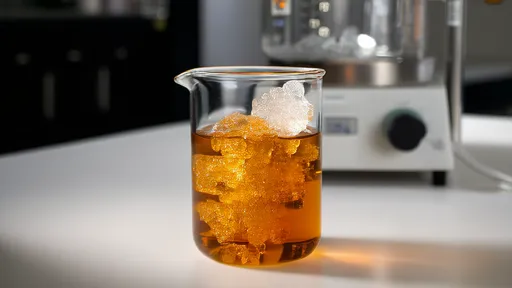
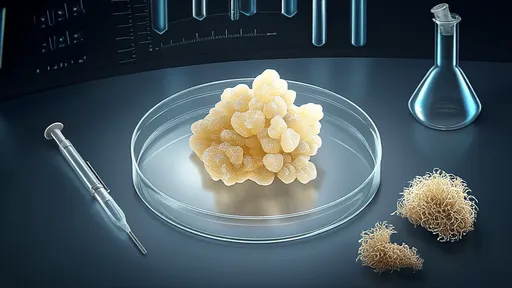
The art of preserving fruits through sugaring has been practiced for centuries, a delicate dance between science and tradition. At its core lies the fascinating principle of osmotic equilibrium, where nature seeks balance even in the sweetest of preparations. This invisible force governs the transformation of fresh fruit into glistening candied delights, creating a symphony of flavors and textures that have graced royal tables and humble kitchens alike.

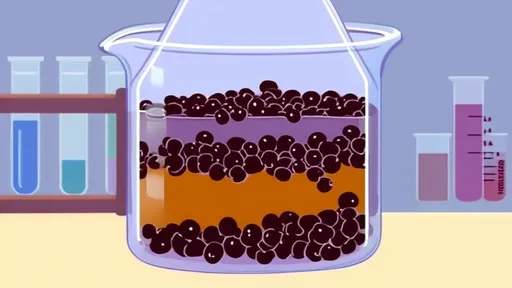
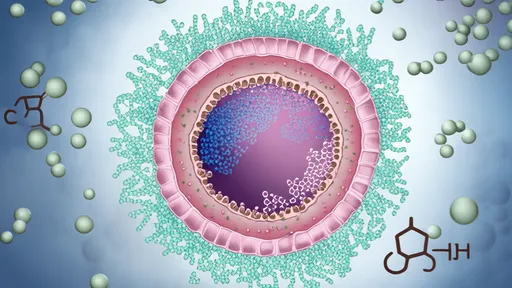
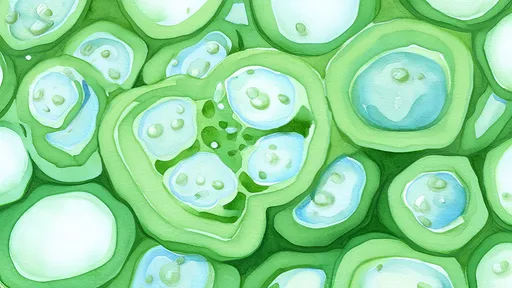
When fresh fruit meets concentrated sugar syrup, an intricate molecular ballet begins. The high sugar concentration outside the fruit cells creates what scientists call a hypertonic environment. Water molecules within the fruit's cellular structure, ever obedient to the laws of thermodynamics, begin migrating outward toward the syrup. This exodus continues until equilibrium is reached—when the sugar concentration inside and outside the cells balances. The process doesn't stop there; sugar molecules gradually infiltrate the fruit's cellular matrix, replacing lost water and creating that characteristic candied texture.

The concentration gradient—the difference in sugar concentration between the fruit and its surrounding syrup—acts as the driving force behind this transformation. Artisans have learned through generations of practice that controlling this gradient is crucial. Too steep a gradient can cause the fruit to shrivel excessively as water rushes out too quickly. Too gentle a gradient prolongs the process unnecessarily. The most skilled confectioners employ a stepwise increasing concentration method, gradually raising the syrup's sugar content over days or weeks to achieve perfect penetration without compromising texture.

Temperature plays a subtle yet significant role in this osmotic drama. Warmer environments accelerate molecular movement, causing faster water migration and sugar absorption. However, excessive heat can break down cell walls, turning prized fruit into mushy disappointment. Traditional methods often rely on room temperature processes that may take weeks but yield superior results. Modern commercial producers sometimes use controlled heat to speed production, though purists argue this sacrifices quality for efficiency.

The choice of sugar affects both the process and final product. While sucrose (common table sugar) dominates traditional recipes, some artisans experiment with glucose, fructose, or honey. Each sweetener interacts differently with fruit tissues due to variations in molecular size and structure. Honey, for instance, contains larger molecules that penetrate more slowly than sucrose, resulting in distinct textures and flavor profiles. The type of sugar also influences the syrup's viscosity, which in turn affects how easily it can permeate fruit tissues.

Fruit characteristics dramatically impact the sugaring process. Dense fruits like citrus peel or pineapple require longer processing than porous strawberries or peaches. The fruit's natural sugar content creates its own osmotic pressure—high-sugar fruits like figs experience less dramatic water loss than tart cherries or green plums. Some fruits develop protective wax coatings that must be carefully removed or pierced to allow proper syrup penetration. These variations explain why experienced confectioners treat each fruit type as a unique challenge requiring customized approaches.

Beyond texture, the osmotic process profoundly influences flavor development. As water departs, it concentrates the fruit's natural flavors while making room for sugar molecules. This dual action creates the intense yet balanced taste profile characteristic of quality candied fruits. The gradual nature of traditional methods allows complex flavor compounds to develop and mature, much like aging fine wine. Some connoisseurs can identify processing methods by taste alone, distinguishing between rushed commercial products and patiently crafted artisanal specimens.

Modern food science has quantified what traditional practitioners knew intuitively. Studies using refractometers show how sugar content changes in both fruit and syrup throughout the process. Microscopic examination reveals how cell structures alter during sugaring. These scientific insights help troubleshoot common problems like case hardening—when fruit forms a sugar-crusted barrier that prevents proper penetration. Understanding osmotic principles allows producers to adjust variables like syrup concentration, temperature, and processing time for consistent results.

The cultural significance of candied fruits reflects their technical sophistication. In medieval Europe, they symbolized wealth and status—only the affluent could afford such labor-intensive luxuries. Today, they remain holiday staples across cultures, from Italian panettone to Chinese mooncakes. The osmotic process that preserves them also preserves culinary heritage, allowing generations to experience flavors essentially unchanged for centuries. Artisans who master these techniques become keepers of living history, their hands continuing practices refined over millennia.

Health considerations have brought new attention to osmotic principles. While traditional recipes rely on high sugar concentrations for preservation, modern variations explore reduced-sugar alternatives. Some innovators use osmotic dehydration with alternative sweeteners or even savory brines, applying ancient techniques to contemporary dietary preferences. Understanding concentration gradients helps create products that balance safety, texture, and flavor while meeting evolving consumer demands.

From scientific laboratories to home kitchens, the osmotic magic behind candied fruits continues to captivate. It represents one of humanity's earliest applications of food science—a marriage of observation and intuition that predates modern chemistry by centuries. Each glistening piece of candied fruit embodies nature's relentless pursuit of equilibrium, harnessed by human ingenuity to create something greater than the sum of its parts. As long as people cherish both sweetness and tradition, this delicious demonstration of osmotic principles will endure.
Recommend Posts
Food

Amylose Content in Rice: The Core Indicator Determining Rice Stickiness

By /Jul 17, 2025

The texture of cooked rice, particularly its stickiness, is a defining characteristic that influences culinary preferences across cultures. While numerous factors contribute to rice quality, the amylose content of rice starch emerges as the single most critical determinant of this textural property. This invisible component within each grain holds the key to understanding why some rice varieties cling together while others remain separate and fluffy.
Food

Osmotic Equilibrium: Concentration Gradient of Candied Sugaring

By /Jul 17, 2025

The art of preserving fruits through sugaring has been practiced for centuries, a delicate dance between science and tradition. At its core lies the fascinating principle of osmotic equilibrium, where nature seeks balance even in the sweetest of preparations. This invisible force governs the transformation of fresh fruit into glistening candied delights, creating a symphony of flavors and textures that have graced royal tables and humble kitchens alike.
Food

Sodium Ion Migration: Osmotic Pressure Model of Salted Meat Curing

By /Jul 17, 2025

The science behind meat curing has fascinated food chemists for centuries, with sodium ion migration playing a starring role in this ancient preservation method. When we examine the osmotic pressure model that governs how salt penetrates muscle tissue, we uncover a remarkable interplay between physics, chemistry, and culinary tradition that transforms raw meat into savory, shelf-stable charcuterie.
Food

Milk Fat Globule Membrane Protein: The Key to Cream Separation by Centrifugation

By /Jul 17, 2025

The dairy industry has long relied on centrifugal separation as a fundamental process for isolating cream from raw milk. At the heart of this mechanical marvel lies an often-overlooked biological component: the milk fat globule membrane (MFGM). This intricate protein-lipid structure not only determines the efficiency of cream separation but also holds untapped potential for nutritional and industrial applications.
Food

Crystallization of Sugar Solution: Control of Saturation for Rock Sugar Formation

By /Jul 17, 2025

The art of rock sugar production is a delicate balance between science and tradition, where the precise control of saturation levels determines the quality, size, and clarity of the final crystals. Unlike ordinary sugar refining, rock sugar formation relies on a carefully orchestrated supersaturation process that encourages the growth of large, well-defined crystals over time. This centuries-old technique transforms simple syrup into translucent gems of sweetness through a patient dance of temperature, concentration, and time.
Food

Dough Extensibility: Carbon Dioxide Production During Proofing Time

By /Jul 17, 2025

The relationship between dough extensibility and carbon dioxide production during proofing is a critical yet often overlooked aspect of artisanal and industrial baking. While bakers traditionally focus on ingredients and mixing techniques, the silent alchemy of fermentation—where yeast metabolizes sugars into CO2—plays an equally decisive role in determining final product quality. This dynamic interplay between gas retention and gluten development reveals why some loaves achieve voluminous openness while others collapse into dense disappointment.
Food

Collagen Transformation: Gelatin Formation Temperature in Braised Beef Tendons

By /Jul 17, 2025

The transformation of collagen into gelatin during the slow cooking of beef tendons is a fascinating interplay of chemistry, temperature, and time. This process not only defines the texture of dishes like braised beef tendon but also unlocks nutritional benefits that make it a prized ingredient in both traditional and modern cuisine. Understanding the precise thermal breakdown of collagen reveals why certain cooking methods yield superior results.
Food

Molecular Basis of Glutenin Ratio for High-Gluten Flour Stretching

By /Jul 17, 2025

The molecular basis of dough extensibility in high-gluten flour is deeply rooted in the unique properties of wheat gluten proteins, particularly the ratio between gliadin and glutenin. These two protein fractions form a viscoelastic network when hydrated, creating the structural backbone that gives wheat dough its characteristic stretch and strength. While gliadins contribute primarily to viscosity and extensibility, glutenins are responsible for elasticity and dough strength. The interplay between these components determines the functional performance of flour in baking applications.
Food

Degree of Pectin Esterification: The Chemical Determinant of Jam Gel Strength

By /Jul 17, 2025

The world of food science constantly seeks to understand the intricate relationships between chemical composition and functional properties. Among these, the gelling behavior of pectin in jams and jellies stands as a fascinating case study. While numerous factors influence texture, the degree of esterification (DE) emerges as a pivotal chemical determinant of gel strength. This molecular characteristic doesn't merely affect consistency—it dictates the very architecture of the gel network, influencing everything from spreadability to mouthfeel.
Food

Nodule Bacteria Symbiosis: Field Observations of Soybean Nitrogen Fixation

By /Jul 17, 2025

The relationship between soybeans and rhizobia represents one of nature's most fascinating symbiotic partnerships. Across countless fields worldwide, this invisible collaboration quietly fuels agricultural productivity while reducing dependence on synthetic fertilizers. Farmers and scientists alike have long marveled at how these two organisms communicate through sophisticated biochemical signals to establish their nitrogen-fixing cooperation.
Food

Oil Absorption Rate: A Study on the Porosity of Fried Food Coating

By /Jul 17, 2025

Fried foods hold a universal appeal, with their golden-brown exteriors and satisfying crunch. Yet, beneath that irresistible texture lies a complex interplay of chemistry and physics—particularly in how batters absorb oil during frying. Recent research has shifted focus to batter porosity, a critical but often overlooked factor determining oil uptake. Understanding this relationship could revolutionize how we approach fried food production, balancing indulgence with health considerations.
Food

Thermal Quenching: The Key to Retaining Chlorophyll in Green Leafy Vegetables

By /Jul 17, 2025

The preservation of chlorophyll in leafy greens during thermal processing has long been a challenge for both food scientists and culinary professionals. While heat treatment is necessary to ensure food safety and extend shelf life, it often comes at the cost of vibrant green color – a visual marker of freshness that significantly influences consumer acceptance. Recent advances in understanding the time-temperature relationship during blanching have revealed surprising opportunities to maximize chlorophyll retention without compromising food safety standards.
Food

Cell Turgor Pressure: The Water Support Behind the Crisp and Tender Texture of Bamboo Shoots

By /Jul 17, 2025

The crisp, succulent texture of bamboo shoots has long delighted culinary enthusiasts across Asia, but few appreciate the intricate cellular mechanics behind this unique mouthfeel. At the heart of this phenomenon lies an often-overlooked botanical marvel: turgor pressure, the hydrostatic force that transforms rigid plant cells into nature's edible water balloons.
Food

Enzymatic Fermentation: Protease Activity in Fish Sauce Production

By /Jul 17, 2025

The pungent amber liquid that elevates Southeast Asian cuisine owes its existence to an ancient biochemical process. Fish sauce, that irreplaceable umami bomb, emerges from a fascinating interplay between microbial fermentation and enzymatic breakdown. At the heart of this transformation lies protease activity – the molecular scissors that dismantle fish proteins into flavor-packed peptides and amino acids.
Food

Muscle Fiber Bundle Density: The Anatomical Basis for the Tenderness Difference between Beef Shin and Tenderloin

By /Jul 17, 2025

The tenderness of beef cuts has long fascinated both culinary experts and meat scientists alike. Among all the factors influencing meat texture, the density of muscle fiber bundles stands out as a fundamental anatomical characteristic that creates dramatic differences between tough cuts like beef tendon and tender cuts like tenderloin. This structural variation explains why these two muscle groups behave so differently during cooking and mastication.
Food

Photosynthetic Product: Light and Temperature Model for Sugar Accumulation in Hami Melons

By /Jul 17, 2025

The intricate dance between sunlight and temperature plays a pivotal role in determining the sweetness of honeydew melons, a phenomenon that has long fascinated agricultural scientists. Recent breakthroughs in photosynthetic modeling have shed new light on how these environmental factors interact to influence sugar accumulation in the fruit's flesh. At the heart of this process lies a delicate biochemical balancing act where plants convert light energy into the sugars that give honeydew its characteristic flavor profile.
Food

Intramuscular Fat: The Principle of Fat Deposition in Snowflake Pork

By /Jul 17, 2025

The marbling phenomenon in pork, often referred to as "snowflake pork," has captivated both culinary experts and meat scientists alike. This intricate pattern of intramuscular fat deposition not only enhances flavor and tenderness but also represents a fascinating interplay of genetics, nutrition, and animal physiology. Understanding the science behind this fat deposition reveals why certain cuts command premium prices in global markets.
Food

Extraction Efficiency of Umami Compounds from Dried Shiitake Mushrooms

By /Jul 17, 2025

The culinary world has long revered dried shiitake mushrooms for their intense umami flavor, a characteristic largely attributed to their high concentration of flavor nucleotides. Recent research has shifted focus toward optimizing extraction methods to harness these compounds efficiently, revealing both challenges and breakthroughs in the process.
Food

Oil Seal Isolation: Antioxidant Protection Mechanism of Duck Gizzards

By /Jul 17, 2025

The intricate biological mechanisms that protect animal tissues from oxidative damage have long fascinated scientists. Among these, the peculiar case of duck gizzard preservation through oil-sealed isolation presents a remarkable example of natural antioxidant protection. This phenomenon, observed in traditional food preservation methods, reveals sophisticated biochemical adaptations that could inspire innovative approaches to food science and oxidative stress management.
Food

Acid Regulation: Changes in pH Value During Kimchi Fermentation

By /Jul 17, 2025

The art of fermenting vegetables into tangy, probiotic-rich pickles has been practiced for millennia across cultures, yet the delicate dance of microbial activity beneath the brine remains a subject of fascination for both home fermenters and food scientists. At the heart of this transformation lies a critical metric: pH. The logarithmic scale measuring acidity or alkalinity becomes the silent conductor orchestrating microbial succession, enzyme activity, and ultimately, the safety and flavor profile of fermented pickles.