The concept of eating with the seasons has been part of human tradition for millennia, yet in our modern era of globalized food systems, we’ve largely lost touch with nature’s nutritional calendar. A deeper understanding of seasonal ingredients and their peak nutritional cycles reveals not just better flavor, but also a roadmap to optimal health. The Seasonal Ingredient Nutrition Peak Cycle Table isn’t just a trend—it’s a science-backed return to intuitive eating.
Why Seasonality Matters Beyond Taste
When we talk about seasonal eating, most discussions center on flavor—the juiciness of a summer tomato or the crisp sweetness of autumn apples. But the nutritional profile of produce fluctuates dramatically depending on when it’s harvested. Plants accumulate vitamins, antioxidants, and phytochemicals in response to environmental stressors like sunlight intensity and temperature variations. A strawberry picked at peak season in June contains significantly higher levels of vitamin C and polyphenols compared to its greenhouse-grown winter counterpart. This biochemical rhythm is what the Nutrition Peak Cycle Table seeks to document and explain.
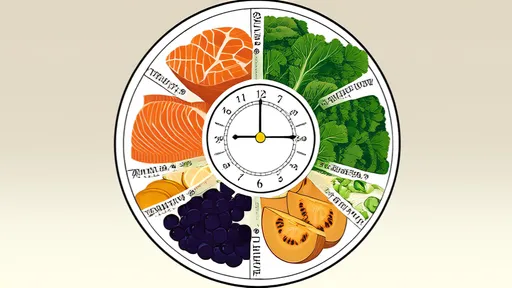
The table goes deeper than conventional seasonal food guides by tracking specific nutrient peaks throughout the year. For instance, spring greens like spinach and arugula show elevated folate levels during their natural growing period, while root vegetables like carrots develop higher beta-carotene concentrations after experiencing light frosts in late autumn. These fluctuations occur because plants adapt their chemical composition to survive and thrive in their natural growing conditions—a biological wisdom we can harness through informed consumption.
The Science Behind Nutrient Cycling
Recent studies in chrononutrition—the science of how biological rhythms affect nutritional needs—reveal fascinating synchronicities between human metabolism and seasonal food availability. Winter squash, for example, reaches its maximum carotenoid content just as daylight hours decrease, providing crucial precursors for vitamin A synthesis when sunlight-derived vitamin D becomes scarce. Similarly, citrus fruits peak in vitamin C during cold months, coinciding with increased need for immune support.
This nutritional periodicity isn’t limited to vitamins. The ratio of omega-3 to omega-6 fatty acids in pasture-raised eggs shifts with the seasons based on the hens’ diet. Spring eggs contain higher levels of anti-inflammatory omega-3s when chickens forage on fresh greens, while winter eggs show different lipid profiles. Even the mineral content of vegetables varies—spinach harvested in spring has been shown to contain up to 30% more magnesium than off-season equivalents.
Modern Applications of Ancient Wisdom
Implementing the Seasonal Ingredient Nutrition Peak Cycle Table in contemporary life requires both technological and philosophical shifts. On the practical side, digital platforms now allow consumers to access real-time data about local harvests and their nutritional status. Some progressive nutritionists are developing personalized algorithms that cross-reference individual health needs with current seasonal nutrient availability.
Philosophically, this approach represents a move away from static nutritional guidelines toward a dynamic, responsive relationship with food. Instead of focusing solely on daily recommended intakes of nutrients, it encourages an understanding of nutritional ebbs and flows across seasons—sometimes loading up on certain compounds when they’re abundant and naturally reducing intake when they’re scarce. This rhythm mirrors traditional preservation practices like fermenting summer vegetables or drying autumn herbs, which allowed our ancestors to extend seasonal nutrition throughout the year.
Challenges and Considerations
While the seasonal nutrition approach offers compelling benefits, it’s not without complexities. Climate change has disrupted traditional growing cycles, requiring constant updates to the Peak Cycle Table. Urban populations without access to fresh local produce face implementation barriers. And certain nutrients—like vitamin B12—don’t follow seasonal patterns, requiring supplemental strategies.
Moreover, the table shouldn’t be treated as dogma. Regional variations mean that “seasonal” differs between climates—what’s peaking nutritionally in Mediterranean regions will differ from Nordic harvests. The key lies in adapting the principles to local contexts rather than seeking universal prescriptions.
The Future of Seasonal Nutrition Science
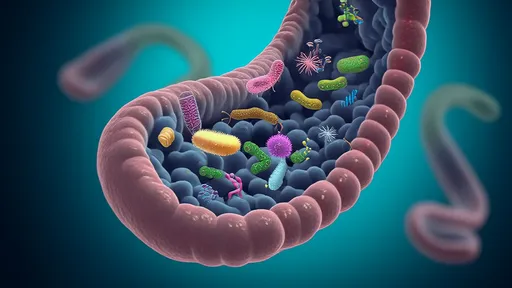
Emerging research is expanding our understanding of seasonal nutrition in exciting directions. Scientists are investigating how lunar cycles might influence plant nutrient density—preliminary studies suggest subtle fluctuations in mineral content corresponding to moon phases. Other researchers are exploring how seasonal timing of harvest affects gut microbiome interactions differently throughout the year.
The Seasonal Ingredient Nutrition Peak Cycle Table represents more than a dietary guideline—it’s a framework for reconnecting human health to ecological systems. As we refine our understanding of these natural rhythms, we move closer to a food system that respects both biological and environmental needs, creating a sustainable approach to nourishment that benefits people and planet alike.
By /Jul 14, 2025
By /Jul 14, 2025

By /Jul 14, 2025

By /Jul 14, 2025

By /Jul 14, 2025

By /Jul 14, 2025
By /Jul 14, 2025
By /Jul 14, 2025
By /Jul 14, 2025

By /Jul 14, 2025

By /Jul 14, 2025

By /Jul 14, 2025

By /Jul 14, 2025
By /Jul 14, 2025

By /Jul 14, 2025
By /Jul 14, 2025

By /Jul 14, 2025
By /Jul 14, 2025

By /Jul 14, 2025

By /Jul 14, 2025
