In the realm of sports science and athletic performance, the concept of post-exercise supercompensation—often referred to as "overload recovery"—has become a cornerstone for optimizing training regimens. Athletes and coaches alike are increasingly turning to precise monitoring indicators to gauge recovery and adapt workouts accordingly. The ability to measure these physiological responses with accuracy not only enhances performance but also mitigates the risk of overtraining and injury.
The Science Behind Supercompensation
Supercompensation occurs when the body, after being subjected to physical stress, rebounds to a higher level of fitness than before the exercise. This phenomenon is driven by the body's adaptive mechanisms, which repair micro-damage in muscles and replenish energy stores more robustly than their baseline levels. However, the timing and extent of this recovery vary significantly among individuals, making personalized monitoring essential.
Traditional methods of assessing recovery, such as subjective fatigue scales or basic heart rate measurements, often fall short in capturing the nuanced physiological changes that occur during supercompensation. Modern advancements in biometric technology, however, have introduced a suite of precise indicators that offer deeper insights into an athlete's readiness for subsequent training sessions.
Key Indicators for Precision Monitoring
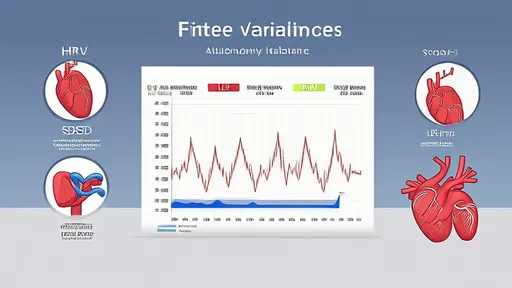
One of the most reliable metrics for tracking supercompensation is heart rate variability (HRV). HRV measures the subtle variations in time between heartbeats, reflecting the autonomic nervous system's balance. A higher HRV typically indicates better recovery and readiness for intense exercise, while a lower HRV may suggest lingering fatigue. Wearable devices now enable athletes to track HRV daily, providing real-time feedback on their recovery status.
Another critical marker is creatine kinase (CK) levels, an enzyme released into the bloodstream following muscle damage. Elevated CK levels can signal excessive muscle strain, while a return to baseline often aligns with the supercompensation phase. Blood tests, though less convenient than wearable tech, remain a gold standard for assessing muscle recovery in elite athletes.
Lactate threshold testing also plays a pivotal role in monitoring supercompensation. By measuring the point at which lactate accumulates in the blood during incremental exercise, coaches can determine an athlete's aerobic capacity and recovery efficiency. Shifts in lactate threshold post-training can indicate whether the body has successfully adapted to prior workloads.
The Role of Technology in Modern Recovery Tracking
The integration of artificial intelligence and machine learning into recovery monitoring has revolutionized how athletes approach supercompensation. Advanced algorithms now analyze data from multiple sources—such as sleep patterns, training load, and nutrition—to predict optimal recovery windows. This holistic approach minimizes guesswork and allows for highly individualized training adjustments.
Wearable devices, such as smartwatches and biosensing patches, have become indispensable tools for athletes. These gadgets continuously collect data on metrics like skin temperature, sweat composition, and even muscle oxygenation. When combined with cloud-based platforms, this information provides a comprehensive overview of an athlete's physiological state, enabling timely interventions.
Practical Applications for Athletes and Coaches
For endurance athletes, understanding supercompensation is particularly crucial. Marathon runners, for instance, often periodize their training to align peak performance with race day. By monitoring biomarkers like cortisol and testosterone levels, they can fine-tune their tapering phases to ensure full recovery and maximal supercompensation.
Team sports present unique challenges due to varying workloads among players. Here, GPS tracking and accelerometer data help coaches tailor recovery protocols for each athlete. A soccer player covering more distance in a match may require longer recovery than a teammate with less intense activity, underscoring the need for personalized monitoring.
Future Directions in Recovery Science
As research progresses, emerging biomarkers like mitochondrial DNA and inflammatory cytokines are gaining attention for their potential to refine recovery assessments. These indicators could provide even earlier detection of overtraining or incomplete recovery, allowing for preemptive adjustments before performance declines.
The fusion of genetic testing with recovery monitoring also holds promise. By identifying genetic predispositions for faster or slower recovery, athletes could customize their training plans from the outset. This proactive approach may redefine how supercompensation is harnessed across all levels of sport.
Ultimately, the pursuit of precision in monitoring post-exercise supercompensation reflects a broader shift toward data-driven athletic development. As technology continues to evolve, so too will our ability to unlock the full potential of the human body in sport and beyond.

By /Jul 14, 2025
By /Jul 14, 2025

By /Jul 14, 2025

By /Jul 14, 2025

By /Jul 14, 2025

By /Jul 14, 2025

By /Jul 14, 2025

By /Jul 14, 2025

By /Jul 14, 2025

By /Jul 14, 2025

By /Jul 14, 2025

By /Jul 14, 2025

By /Jul 14, 2025

By /Jul 14, 2025

By /Jul 14, 2025

By /Jul 14, 2025

By /Jul 14, 2025

By /Jul 14, 2025

By /Jul 14, 2025

By /Jul 14, 2025