The field of sports science has witnessed significant advancements in recent years, particularly in the area of heart rate variability (HRV) analysis. Athletes and fitness enthusiasts are increasingly turning to HRV as a tool to optimize training, prevent overtraining, and enhance recovery. This guide delves into the intricacies of HRV analysis in the context of sports, offering insights into its applications, benefits, and practical considerations.
Understanding Heart Rate Variability in Sports
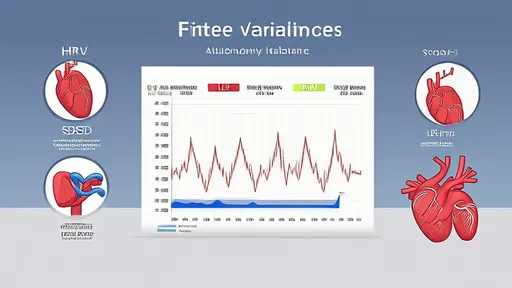
Heart rate variability refers to the variation in time intervals between consecutive heartbeats. While it might seem counterintuitive, a higher HRV is generally associated with better cardiovascular health and fitness. In sports, HRV serves as a window into the autonomic nervous system, providing clues about an athlete's readiness to perform, stress levels, and recovery status. Unlike resting heart rate, which offers a more static measure, HRV captures the dynamic interplay between the sympathetic and parasympathetic nervous systems.
The autonomic nervous system comprises two branches: the sympathetic nervous system, which prepares the body for action (often referred to as the "fight or flight" response), and the parasympathetic nervous system, which promotes relaxation and recovery (the "rest and digest" response). HRV reflects the balance between these two systems. For athletes, this balance is crucial. A well-regulated autonomic nervous system can mean the difference between peak performance and burnout.
The Role of HRV in Training Optimization
One of the primary applications of HRV in sports is training optimization. By monitoring HRV, athletes and coaches can tailor training programs to match an individual's physiological state. For instance, a high HRV reading typically indicates that the body is well-recovered and ready for intense training. Conversely, a low HRV may suggest accumulated fatigue or stress, signaling the need for reduced intensity or additional recovery time.
This personalized approach to training can help prevent overtraining syndrome, a condition characterized by prolonged fatigue, decreased performance, and increased susceptibility to illness and injury. Overtraining is a common pitfall for athletes who push their limits without adequate recovery. HRV monitoring provides an objective measure of recovery, allowing for adjustments before overtraining sets in.
Practical Considerations for HRV Monitoring
While HRV offers valuable insights, its effective use requires careful consideration of several factors. First, consistency in measurement is key. HRV readings should be taken under similar conditions each time, preferably in the morning upon waking. Factors such as hydration, sleep quality, and even body position can influence HRV, so standardizing the measurement process helps ensure reliable data.
Second, interpreting HRV data requires context. Individual baselines vary widely, so it's essential to establish a personal reference range over time rather than comparing absolute values between individuals. Trends over days or weeks are more informative than single readings. Additionally, HRV should be considered alongside other metrics, such as perceived exertion, sleep patterns, and performance data, to form a comprehensive picture of an athlete's condition.
Technological Advances in HRV Analysis
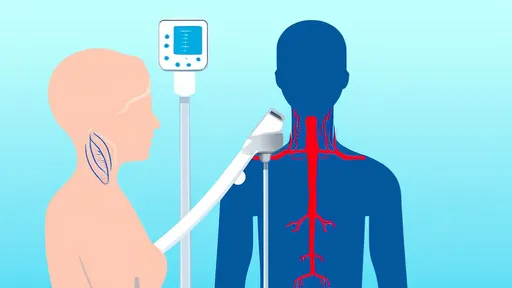
The proliferation of wearable technology has made HRV monitoring more accessible than ever. Devices ranging from chest straps to smartwatches now offer HRV tracking capabilities, often accompanied by user-friendly apps that analyze and interpret the data. These tools have democratized HRV analysis, allowing amateur athletes to benefit from insights once reserved for elite competitors.
However, not all devices are created equal. Chest strap monitors, which use electrocardiography (ECG) to detect heartbeats, generally provide more accurate HRV measurements than optical sensors found in many wrist-worn devices. For serious athletes, investing in a reliable monitoring system can make a significant difference in the quality of data collected.
HRV and Recovery Strategies
Beyond training adjustments, HRV can inform recovery strategies. Techniques such as meditation, deep breathing exercises, and cold therapy have been shown to positively influence HRV by enhancing parasympathetic activity. Athletes can use HRV feedback to assess the effectiveness of these interventions and refine their recovery protocols accordingly.
Nutrition also plays a role in HRV. Adequate hydration, balanced macronutrient intake, and proper timing of meals can all impact autonomic nervous system function. Some athletes find that certain supplements, such as omega-3 fatty acids or magnesium, may support healthy HRV, though individual responses vary.
Challenges and Limitations of HRV Analysis
Despite its potential, HRV analysis is not without limitations. The relationship between HRV and performance is complex and can be influenced by numerous confounding factors. Emotional stress, illness, and environmental conditions can all affect HRV independently of training load. This complexity means that HRV should be used as one tool among many in an athlete's arsenal rather than a standalone metric.
Moreover, the interpretation of HRV data requires expertise. While automated algorithms can provide general guidance, nuanced understanding often necessitates input from sports scientists or medical professionals. Athletes should be cautious about making drastic training changes based solely on HRV readings without considering the broader context.
The Future of HRV in Sports Science
As research continues to unravel the complexities of HRV, its applications in sports science are likely to expand. Emerging technologies, such as machine learning algorithms, may enable more sophisticated analysis of HRV patterns and their relationship to performance outcomes. There is also growing interest in how HRV might be used to predict injury risk or identify early signs of overtraining before they manifest in performance declines.
Furthermore, the integration of HRV data with other biomarkers, such as cortisol levels or inflammatory markers, could provide a more holistic view of an athlete's physiological state. This multi-dimensional approach may revolutionize how we understand and optimize human performance in sports.
In conclusion, heart rate variability analysis represents a powerful tool in the modern athlete's toolkit. When used appropriately, it can enhance training precision, improve recovery strategies, and ultimately contribute to better performance outcomes. However, like any tool, its effectiveness depends on proper understanding and application. As the field evolves, athletes and coaches who embrace HRV while acknowledging its limitations will be best positioned to reap its benefits.

By /Jul 14, 2025
By /Jul 14, 2025

By /Jul 14, 2025

By /Jul 14, 2025
By /Jul 14, 2025

By /Jul 14, 2025

By /Jul 14, 2025

By /Jul 14, 2025

By /Jul 14, 2025

By /Jul 14, 2025

By /Jul 14, 2025

By /Jul 14, 2025

By /Jul 14, 2025

By /Jul 14, 2025

By /Jul 14, 2025

By /Jul 14, 2025

By /Jul 14, 2025

By /Jul 14, 2025

By /Jul 14, 2025

By /Jul 14, 2025