Gut Intervention Targets for Non-Alcoholic Fatty Liver Disease

Jul 14, 2025 By

The growing prevalence of non-alcoholic fatty liver disease (NAFLD) has spurred intense research into novel therapeutic approaches, particularly those targeting the gut-liver axis. As the scientific community delves deeper into the intricate relationship between gut microbiota, intestinal permeability, and hepatic metabolism, a new frontier of intervention strategies is emerging. These approaches aim to modulate the gut environment to indirectly improve liver health, offering hope for millions affected by this silent epidemic.

Gut Microbiota Dysbiosis: A Key Player in NAFLD Pathogenesis

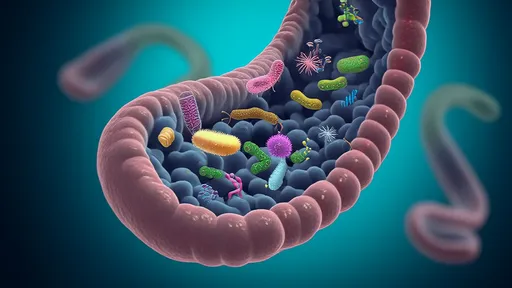
Emerging evidence paints a compelling picture of gut microbiota's role in NAFLD development and progression. The microbial communities residing in our intestines do far more than aid digestion - they actively participate in regulating metabolic processes that directly impact liver function. Studies reveal distinct microbial signatures in NAFLD patients, characterized by reduced microbial diversity and overrepresentation of pro-inflammatory species. These dysbiotic patterns correlate with increased intestinal production of lipopolysaccharides (LPS) and other microbial metabolites that promote hepatic inflammation and insulin resistance.

The gut-liver axis operates as a bidirectional communication highway, with microbial-derived signals traveling through the portal vein to influence hepatic metabolism. Certain bacterial species, such as those producing trimethylamine N-oxide (TMAO), have been implicated in exacerbating hepatic steatosis. Conversely, bacteria that generate short-chain fatty acids (SCFAs) like butyrate appear protective, enhancing gut barrier function and reducing systemic inflammation. This microbial imbalance creates a perfect storm for NAFLD progression, making microbiota modulation an attractive therapeutic target.

Intestinal Barrier Dysfunction: The Leaky Gut Connection

Beyond microbial composition, the physical integrity of the intestinal barrier plays a crucial role in NAFLD pathophysiology. A compromised gut barrier, often referred to as "leaky gut," allows translocation of bacterial products and dietary antigens into portal circulation. This breach triggers a cascade of inflammatory events that ultimately reach the liver, where Kupffer cells become activated and initiate local inflammatory responses.

Zonulin, a protein that regulates tight junction permeability, has emerged as a biomarker for intestinal barrier dysfunction in NAFLD. Elevated serum zonulin levels correlate with disease severity, suggesting that therapeutic strategies aimed at tightening these junctions could yield clinical benefits. Interestingly, certain dietary components like gluten can stimulate zonulin release, hinting at potential dietary modifications that might support gut barrier integrity.

Bile Acid Metabolism: A Microbial-Hepatic Dialogue

The intricate dance between gut microbes and bile acid metabolism represents another promising intervention point. Gut bacteria extensively modify primary bile acids into secondary forms, creating a diverse pool of signaling molecules that influence both hepatic and systemic metabolism. These modified bile acids activate nuclear receptors like FXR and TGR5, which regulate glucose homeostasis, lipid metabolism, and energy expenditure.

In NAFLD, this delicate balance becomes disrupted, with alterations in bile acid composition and signaling contributing to metabolic dysfunction. Therapeutic approaches that restore healthy bile acid profiles - whether through microbial manipulation, bile acid sequestrants, or FXR agonists - show considerable promise. The recent approval of obeticholic acid, an FXR agonist, for certain liver conditions underscores the therapeutic potential of targeting this pathway.

Gut-Derived Metabolites: The Molecular Messengers

The gut microbiota generates a vast array of metabolites that profoundly influence hepatic health. Beyond SCFAs and bile acids, other microbial products like indole derivatives, phenolic compounds, and various amino acid metabolites participate in complex metabolic cross-talk with the liver. These molecules can modulate hepatic lipid accumulation, oxidative stress, and inflammatory responses through multiple mechanisms.

For instance, indole-3-propionic acid, a tryptophan metabolite produced by certain gut bacteria, has demonstrated protective effects against hepatic steatosis in preclinical models. Similarly, microbial metabolism of dietary choline and carnitine influences hepatic very-low-density lipoprotein (VLDL) secretion and lipid partitioning. Understanding these intricate metabolic networks opens doors to precision interventions targeting specific microbial pathways.

Emerging Intervention Strategies

Therapeutic exploration in this field spans multiple approaches, from dietary modifications to pharmacologic agents and microbial transplantation. Mediterranean-style diets rich in polyphenols consistently demonstrate benefits for both gut health and NAFLD parameters, likely through their prebiotic effects and anti-inflammatory properties. Specific fibers like resistant starch and inulin show particular promise in selectively nourishing beneficial gut bacteria.

Probiotic supplementation, especially with strains like Lactobacillus and Bifidobacterium species, has yielded modest but consistent improvements in liver enzymes and markers of hepatic steatosis. More radical approaches like fecal microbiota transplantation (FMT) are currently under investigation, with early trials showing intriguing results in metabolic parameters. Meanwhile, pharmacologic agents that target gut-derived molecules, such as endotoxin inhibitors and bile acid modulators, continue to advance through clinical development pipelines.

Challenges and Future Directions

Despite these promising developments, significant challenges remain in translating gut-targeted approaches into clinical practice. The incredible interpersonal variability in gut microbiota composition complicates the development of universal interventions. Personalized approaches that consider an individual's microbial fingerprint may eventually prove necessary for optimal outcomes.

Long-term safety concerns, particularly with approaches like FMT, require thorough investigation. Additionally, our understanding of the complex interactions between diet, microbiota, and host metabolism remains incomplete. Future research must focus on elucidating causal relationships rather than mere associations, employing sophisticated multi-omics approaches and well-designed intervention trials.

The gut-liver axis represents a paradigm shift in our understanding and treatment of NAFLD. As we continue to unravel the complex dialogues between our microbial inhabitants and hepatic metabolism, novel therapeutic opportunities will undoubtedly emerge. While much work remains, targeting the gut ecosystem offers a promising avenue for addressing this increasingly prevalent metabolic disorder at its roots.
Recommend Posts
Health

Detection of Molecular Markers for Chronic Inflammation

By /Jul 14, 2025

Chronic inflammation has emerged as a critical factor in the pathogenesis of numerous diseases, ranging from cardiovascular disorders to neurodegenerative conditions. The ability to detect and monitor inflammation through molecular markers has revolutionized both clinical diagnostics and therapeutic interventions. Unlike acute inflammation, which is a transient and protective response, chronic inflammation persists over time, often silently damaging tissues and organs. Identifying reliable biomarkers for chronic inflammation is essential for early diagnosis, prognosis, and personalized treatment strategies.
Health

Guidelines for Analyzing Exercise Heart Rate Variability

By /Jul 14, 2025

The field of sports science has witnessed significant advancements in recent years, particularly in the area of heart rate variability (HRV) analysis. Athletes and fitness enthusiasts are increasingly turning to HRV as a tool to optimize training, prevent overtraining, and enhance recovery. This guide delves into the intricacies of HRV analysis in the context of sports, offering insights into its applications, benefits, and practical considerations.
Health

Adaptation Plan for Exercise in High-Altitude Environments

By /Jul 14, 2025

High-altitude environments present unique challenges for athletes and fitness enthusiasts alike. The reduced oxygen levels, lower air pressure, and extreme weather conditions demand specialized training approaches to ensure optimal performance and safety. Whether you're a mountaineer preparing for an expedition or a runner training for a high-altitude marathon, understanding how to adapt your workout routine is crucial.
Health

Neuromuscular Training for the Prevention of Sports Injuries

By /Jul 14, 2025

The human body is a marvel of biological engineering, capable of astonishing feats of strength, agility, and endurance. Yet, even the most finely tuned athletic machines are susceptible to the wear and tear of physical activity. In recent years, the field of sports science has witnessed a paradigm shift toward neuromuscular training as a cornerstone of injury prevention. This approach doesn't merely focus on building muscle or improving cardiovascular capacity; it rewires the very way our nervous system communicates with our muscles during dynamic movement.
Health

Home Self-Testing Methods for Assessing Vascular Elasticity

By /Jul 14, 2025

In recent years, the importance of monitoring vascular health has gained significant attention, particularly as cardiovascular diseases continue to be a leading cause of morbidity worldwide. While clinical assessments remain the gold standard, there is growing interest in developing reliable methods for at-home vascular elasticity testing. These methods empower individuals to track their vascular health proactively, potentially identifying early signs of stiffness or deterioration before serious complications arise.
Health

Subtle Dehydration's Stealthy Impact on Cognitive Function

By /Jul 14, 2025

The human brain is a remarkably sensitive organ, finely tuned to operate within narrow physiological parameters. Among the many factors influencing cognitive performance, hydration status occupies a particularly subtle yet profound role. While severe dehydration manifests obvious symptoms, the creeping effects of mild dehydration – often going unnoticed in daily life – may be silently eroding our mental sharpness. This phenomenon represents an underappreciated public health concern in our fast-paced, caffeine-fueled modern lifestyles where adequate water intake frequently falls by the wayside.
Health

Gut Intervention Targets for Non-Alcoholic Fatty Liver Disease

By /Jul 14, 2025

The growing prevalence of non-alcoholic fatty liver disease (NAFLD) has spurred intense research into novel therapeutic approaches, particularly those targeting the gut-liver axis. As the scientific community delves deeper into the intricate relationship between gut microbiota, intestinal permeability, and hepatic metabolism, a new frontier of intervention strategies is emerging. These approaches aim to modulate the gut environment to indirectly improve liver health, offering hope for millions affected by this silent epidemic.
Health

Seasonal Food Nutritional Peak Cycle Table

By /Jul 14, 2025

The concept of eating with the seasons has been part of human tradition for millennia, yet in our modern era of globalized food systems, we’ve largely lost touch with nature’s nutritional calendar. A deeper understanding of seasonal ingredients and their peak nutritional cycles reveals not just better flavor, but also a roadmap to optimal health. The Seasonal Ingredient Nutrition Peak Cycle Table isn’t just a trend—it’s a science-backed return to intuitive eating.
Health

Precision Monitoring Indicators for Supercompensation After Exercise

By /Jul 14, 2025

In the realm of sports science and athletic performance, the concept of post-exercise supercompensation—often referred to as "overload recovery"—has become a cornerstone for optimizing training regimens. Athletes and coaches alike are increasingly turning to precise monitoring indicators to gauge recovery and adapt workouts accordingly. The ability to measure these physiological responses with accuracy not only enhances performance but also mitigates the risk of overtraining and injury.
Health

Optimizing Breathing Patterns to Enhance Athletic Performance

By /Jul 14, 2025

In the pursuit of athletic excellence, athletes and coaches often focus on training regimens, nutrition, and recovery strategies. Yet, one critical component frequently overlooked is the role of breathing mechanics in optimizing performance. The way we breathe—whether during high-intensity sprints, endurance runs, or weightlifting—can significantly influence energy efficiency, stamina, and even mental focus. Mastering breath control isn’t just about gasping for air; it’s about harnessing a physiological tool that can elevate performance to new heights.
Health

Individualized Algorithm for Adolescent Exercise Load

By /Jul 14, 2025

The concept of individualized exercise load for adolescents has gained significant traction in sports science and youth development circles. Unlike the one-size-fits-all approach that dominated training methodologies for decades, contemporary research emphasizes tailoring physical activity to each young athlete's unique physiological and psychological profile. This paradigm shift recognizes that teenagers exhibit vast differences in growth patterns, metabolic rates, and recovery capacities—factors that profoundly impact their response to training stimuli.
Health

Timing Selection for Dynamic and Static Stretching

By /Jul 14, 2025

The debate between dynamic and static stretching has been a hot topic in fitness circles for years. While both methods have their merits, understanding when to use each can significantly impact performance, recovery, and injury prevention. The timing of these stretches isn't just a matter of preference—it's a science-backed decision that can make or break your workout routine.
Health

Scientific Validation of Recovery Efficacy from Cold Water Exposure

By /Jul 14, 2025

The practice of cold water immersion has gained significant attention in recent years as a recovery modality among athletes, fitness enthusiasts, and even those seeking general wellness benefits. Emerging research suggests that controlled exposure to cold water may enhance physical recovery, reduce inflammation, and improve overall physiological resilience. However, the scientific community continues to debate the mechanisms, optimal protocols, and potential drawbacks of this practice. Understanding the nuances of cold water immersion requires a deep dive into both its biological effects and practical applications.
Health

Metabolic Flexibility Enhancement through Dietary Training

By /Jul 14, 2025

In the ever-evolving landscape of health and wellness, the concept of metabolic flexibility has emerged as a cornerstone for achieving optimal physical performance and overall well-being. Unlike rigid dietary approaches that focus solely on calorie restriction or macronutrient manipulation, enhancing metabolic flexibility revolves around training the body to efficiently switch between fuel sources—primarily fats and carbohydrates—depending on availability and demand. This adaptability not only supports sustained energy levels but also improves resilience against metabolic disorders such as insulin resistance and obesity.
Health

Strategies for Addressing Osteoporosis Risk Genes

By /Jul 14, 2025

In the evolving landscape of personalized medicine, understanding one's genetic predisposition to osteoporosis has become a cornerstone of proactive health management. This silent disease, characterized by weakened bones and increased fracture risk, often goes undetected until a devastating break occurs. Emerging research reveals that our genes play a significant role in determining bone mineral density and overall skeletal resilience. While we cannot change our DNA, sophisticated genomic insights now empower individuals to craft targeted defense strategies against this brittle bone threat.
Health

Long-term Impact Tracking of Artificial Sweeteners on Gut Microbiota

By /Jul 14, 2025

The growing popularity of artificial sweeteners as sugar substitutes has sparked intense scientific debate about their long-term effects on human health. While these zero-calorie additives help millions reduce sugar intake, emerging research reveals a complex relationship between non-nutritive sweeteners and our gut microbiome that extends far beyond their intended purpose. This deep dive explores what cutting-edge studies tell us about how sugar alternatives may be quietly reshaping our microbial ecosystems with consequences we're only beginning to understand.
Health

Special Applications of Centrifugal Training

By /Jul 14, 2025

The world of fitness and athletic training is constantly evolving, with new methodologies emerging to push the boundaries of human performance. Among these, eccentric training has carved out a unique niche, offering benefits that extend far beyond traditional strength-building techniques. Unlike conventional exercises that focus on concentric movements, eccentric training emphasizes the controlled lengthening of muscles under tension. This approach has found its way into specialized applications, from rehabilitation to elite sports, proving its versatility and effectiveness.
Health

Non-Pharmaceutical Paths to Improve Insulin Sensitivity

By /Jul 14, 2025

In the modern era of sedentary lifestyles and processed food consumption, insulin resistance has emerged as a silent epidemic affecting millions worldwide. While pharmaceutical interventions exist, a growing body of research highlights powerful non-pharmacological approaches to enhance insulin sensitivity. These natural strategies not only improve metabolic health but often address root causes rather than just symptoms.
Health

Key Elements for Controlling Morning Blood Pressure Fluctuations

By /Jul 14, 2025

Morning blood pressure surges have long been recognized as a critical factor in cardiovascular health. Unlike the relatively stable readings taken in clinical settings, the early hours after waking often reveal dramatic fluctuations that carry significant prognostic value. These transient spikes, sometimes called "morning surge," correlate strongly with adverse events like stroke and myocardial infarction. Understanding the mechanisms behind this phenomenon and learning to mitigate its effects could mean the difference between controlled hypertension and catastrophic organ damage.
Health

The Impact of Different Types of Exercise on Telomere Length

By /Jul 14, 2025

The relationship between physical activity and cellular aging has fascinated scientists for decades, with telomere length emerging as a key biomarker in this exploration. Telomeres, the protective caps at the ends of chromosomes, shorten naturally with each cell division, but their erosion rate can be influenced by lifestyle factors. Recent research suggests that different types of exercise may have distinct effects on telomere maintenance, offering intriguing insights into how movement preserves youth at the molecular level.